

Seeking a way to break the cycle of addiction for yourself or a loved one is the first major step toward sobriety - learn where to begin.
Underestimating the need for addiction treatment is common - most do it. Interventions offer a way to recommend help for a loved one who refuses treatment.

A vital step towards physical healing, detoxification is the process of weaning the body free from addictive substances in a safe, medical atmosphere.
Individual and group therapy sessions are a key component to recovery. Here patients will learn how to safely cope with past trauma and current triggers that could lead to relapse.

Immediately following a drug or alcohol detox regimen, patients spend time in a residential or inpatient rehab program that focuses on restoring both physical and mental health.

During treatment, each patient develops effective coping mechanisms to help them face everyday challenges without the use of drugs or alcohol.





Over 140 people in the United States are dying each day from an opioid overdose. Opioids are a class of drugs that include illegal substances such as heroin, and fentanyl, and prescription medication such as oxycodone. Both illicit and legal opioids can cause addiction, and overdose.
The CDC estimates that six people die every day from alcohol poisoning with over 88,000 Americans dying annually from an alcohol-related illness. Alcohol use disorders are the third leading cause of preventable death in the United States. Early intervention and proper treatment can help stop alcohol from taking another life.
Meth, also known as methamphetamine or crystal meth, is a highly addictive substance that impacts your central nervous system. Meth abuse can cause severe mental and physical side effects, including changes to the brain. Stop long-term damage by seeking out treatment now.
NIDA estimates over 35 million Americans abuse cocaine, and 8.6 million abuse crack cocaine. Cocaine is an extremely addictive substance that causes over 400,000 emergency room visits each year, many of which are to treat an overdose.

Gabapentin is a prescription medication commonly used to treat nerve pain and seizures, with potentially dangerous withdrawal symptoms. It’s also often used off-label to treat some conditions such as restless leg syndrome. While it is not classified as a controlled substance at the federal level, many states consider it a Schedule V substance that is monitored …
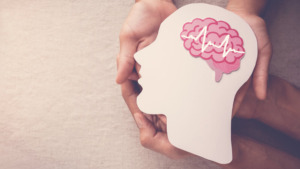
People with ADHD are significantly more likely to develop addiction or substance use disorders because both conditions are rooted in dysregulation. Understanding this overlap is essential because treating one condition without addressing the other dramatically reduces the chances of lasting recovery. Why ADHD Increases Addiction Risk: For those with ADHD, the risk of addiction stems from certain …

Rehab costs can vary depending on many factors, such as the type of treatment you are seeking and the duration of your treatment. If you are paying for rehab without insurance, there are several options available to you and things to consider when making a decision. Average Cost of Rehab Without Insurance If you are wondering, “How much …

Trauma-informed addiction treatment is built on the understanding that many people with substance use disorders have experienced trauma. Therefore, it treats both substance use disorder and the root causes, intending to help people heal, not just abstain, from substance use. What Is Trauma-Informed Care? Trauma-informed addiction treatment involves therapies that treat substance use disorders and their underlying causes. Treatment …